Understanding the Risks and Protecting Your Home
Radon is a radioactive gas you can't see or smell. It can seep up from the soil beneath and around the foundation of your home. Homeowners may not know they are living with elevated levels of radon because it cannot be seen or smelled. At A Best Radon Systems, we think that learning about radon is the first step to protecting your home and your family.
We are based in Manlius, NY, and specialize in radon testing, mitigation system installation, repairs, and maintenance throughout Central New York. Here’s what homeowners need to know about radon and how to handle it.
What Is Radon and Where Does It Come From?
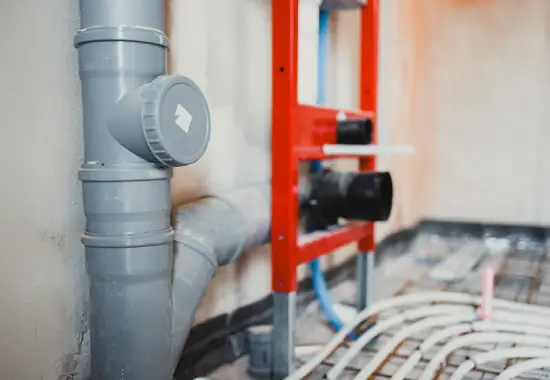
Radon is a naturally occurring radioactive gas produced by the decay of uranium in soil, rock, and groundwater. Radon is produced as uranium decays and can travel through the ground. It can enter buildings through cracks in the foundation, construction joints, sump pits, floor drains, and other openings.
Radon can build up in basements and lower levels, especially where a home is not well-ventilated. But high concentrations are not only found in basements. Radon levels can vary from floor to floor and from season to season depending upon weather, air pressure, soil moisture, and ventilation conditions.
Why Is Radon a Health Concern?
Long-term exposure to high radon levels increases the risk of lung cancer. We know radon is the leading cause of lung cancer among nonsmokers and the second leading cause overall.
The concern is that exposure happens slowly. Radon is an odorless, invisible gas, so the only way to know if your home has elevated levels of radon is to test for it.
How Do You Know If Your Home Has Radon?
You can’t look at your foundation and see radon, or smell mustiness and know that there’s radon. To determine the level of radon in indoor air, a radon test is required.
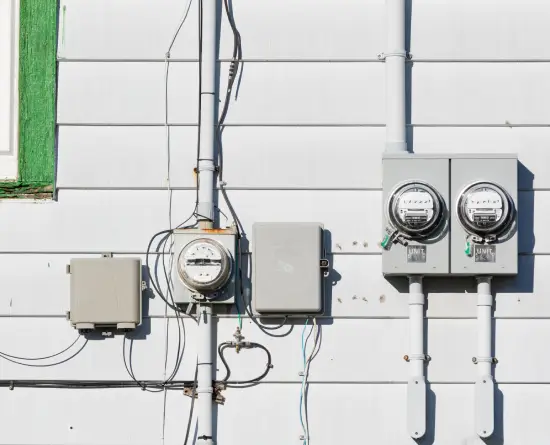
Homeowners can opt for short-term or long-term testing. Professional testing may include electronic continuous radon monitors that measure changes in radon concentrations over time.
The EPA recommends taking steps to reduce radon when levels are at or above 4.0 picocuries per liter (pCi/L). It is also important to test after installing a mitigation system to ensure that it is working correctly.
What Is Radon Mitigation?
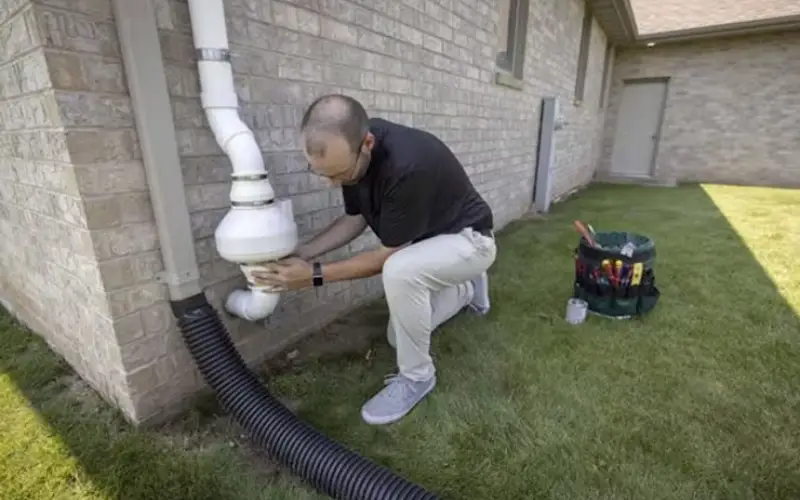
Radon mitigation is the process of reducing radon concentrations in the indoor air of a building. One of the most common methods is active sub-slab depressurization.
This method uses a suction point under the basement floor that is connected to a vent pipe and a special radon fan. The fan pulls the radon gas from under the foundation and pushes it out before it can get into the living space.
The right system depends on the home’s foundation, soil conditions, and the pathways radon uses to enter the home.
Professional Radon Mitigation in Central New York
A Best Radon Systems has installed more than 800 radon mitigation systems since 2007. We provide custom system design, installation, testing, maintenance, and radon fan replacement. We also service and repair systems that other contractors have installed.
We want to reduce indoor radon levels below the EPA action level of 4.0 pCi/L. Many of our installations have achieved levels below 2.0 pCi/L.
Take the First Step Toward Better Indoor Air Quality
Just because your home is well-maintained, don’t assume it is free of radon. Call A Best Radon Systems to talk about radon testing, mitigation, or a review of your existing system. We are here to assist the Central New York homeowner in making informed decisions about radon protection.