Helpful Information for Homeowners
Seeing how the testing equipment, mitigation systems, and components work makes radon easier to understand. Having the right information can help you make informed decisions if you are concerned about elevated radon levels, exploring installation options, or inspecting an existing system.
Homeowners who want to learn about radon testing, mitigation, and system maintenance will find a Best Radon Systems Video Library. Get schooled on the gear and techniques used to lower indoor radon levels with educational videos and hands-on explanations.
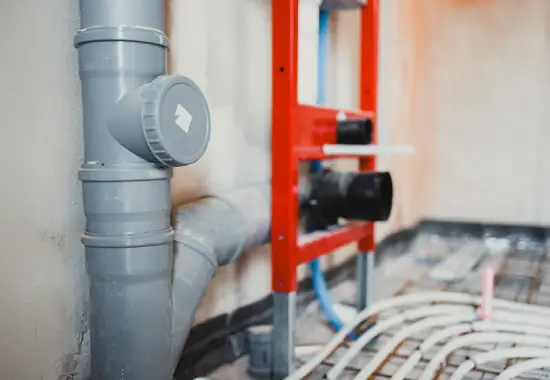
Learn How Radon Enters Your Home
Radon is a naturally occurring radioactive gas. It is formed from the breakdown of uranium in rocks and soil. It can travel through the ground and enter homes through cracks in the foundation, sump pits, floor openings, and other openings. Radon is a gas that you cannot see or smell, so the only way to know if you have it is to test for it.
Our educational materials help explain why testing for radon is important, how testing equipment works, and what homeowners need to know about their results. The only sure way to know whether your home has elevated radon levels is to test for radon.
Explore Radon Testing Methods
There are several ways to test for indoor radon. Approved testing kits or digital monitors can be used by homeowners, and electronic continuous radon monitors and other testing equipment can be used by professionals.
The purpose of the test determines the appropriate testing approach. Initial testing establishes a baseline, real estate testing can be used to determine the value of a property, and post-mitigation testing verifies that an installed system is reducing radon levels as intended.
Understanding these methods can help you understand the testing process and why it is important to follow the right procedures.
See How Radon Mitigation Systems Work
Most home radon mitigation systems employ active sub-slab depressurization. A pipe leads from a suction point below the foundation. A fan pulls the soil gas through the system and vents it outside.
But no two homes are exactly alike. The optimum design will depend on foundation construction, soil conditions, drainage systems, and radon entry pathways.
A Best Radon Systems will review your existing setup and install a custom-designed mitigation system. Videos and visual explanations can help you learn the main components and why proper installation and performance testing are important.
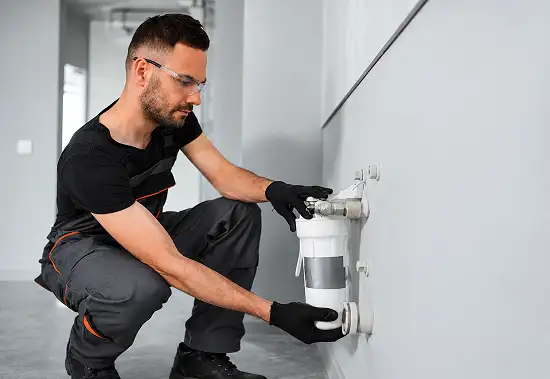
Understand Radon Fan Operation and Maintenance
So the radon fan is running all of the time to provide the necessary air movement for an active mitigation system. Fans can get noisy, can have vibrations, or can simply fail over time.
Learn to recognize common warning signs, understand the purpose of the system’s manometer, and know why regular checks are important. If you have any problems with your fan, a professional check will help find the fault.
Radon Knowledge From A Best Radon Systems
A Best Radon Systems is a full-time, family-owned radon mitigation company based in Manlius, NY. Since 2007, we have installed over 800 mitigation systems and helped homeowners throughout Central New York with testing, installation, maintenance, repairs, and fan replacement.
Questions about your home's radon levels or an existing mitigation system? Contact A Best Radon Systems by calling 315-439-1103 or email tom@abestradonsystems.com.
- Radon Quote
Get a Custom Radon Quote in Under 2 Minutes
Select your service type below to calculate an accurate, no-obligation estimate for your home.