How to Choose, Maintain, and Replace Your Radon Fan
The radon fan is the one critical component that a radon mitigation system depends on to keep working properly. This fan moves enough air to suck up radon-laden soil gas from beneath your home and vent it safely outside. If the fan fails or underperforms, radon levels in your home can rise again.
At A Best Radon Systems, we help homeowners in Central New York learn about their radon systems so they can make educated decisions about fan service, replacement, and upgrades.
What Does a Radon Fan Do?
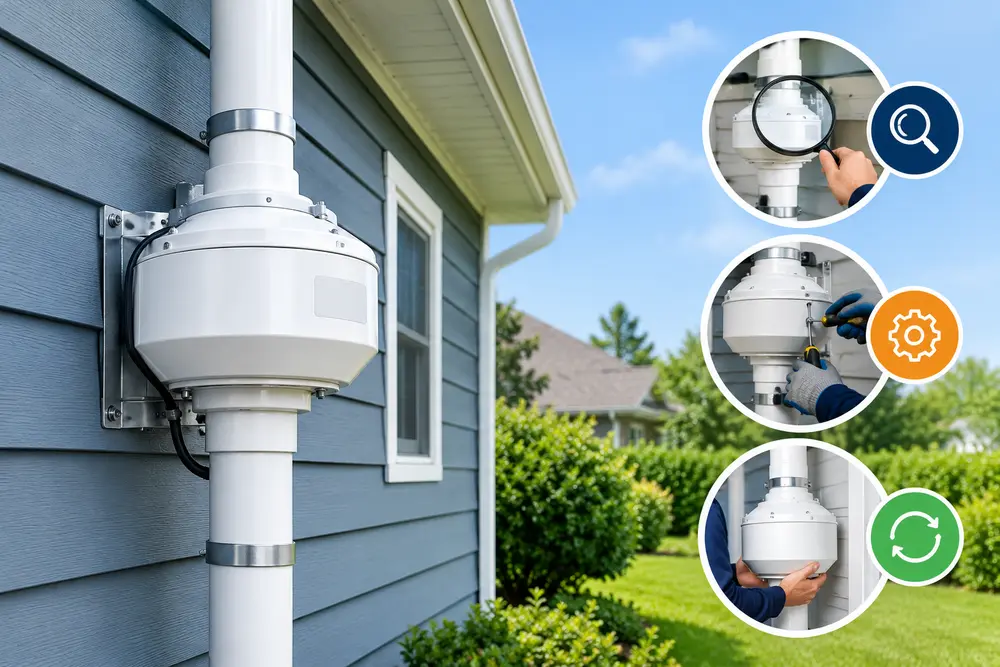
Radon fans are intended to run continuously 24 hours a day, seven days a week. It pulls soil gas from under the foundation through a connected pipe and vents it outside, lowering the amount of radon that may enter your living space.
Not all radon fans are made the same. There are over 100 types and sizes available with various motor powers, configurations, and performance characteristics. The right choice depends on your existing system, foundation, airflow requirements, and how much suction you need.
Choosing a replacement based on looks or price alone can lead to bad performance. Having a properly matched fan means making your mitigation system work as designed.
How Long Does a Radon Fan Last?
Most radon fans have an average service life of approximately 10 to 12 years, although actual lifespan varies. Some fans fail much sooner, while others continue operating for more than 20 years.
Many models come with a five-year factory warranty, but warranty coverage depends on the manufacturer and installation arrangements. It's worth knowing when your fan was installed and whether it is still covered.
Signs Your Radon Fan May Need Attention
A failing fan often gives homeowners warning signs before it stops completely. Watch for:
- Unusual noise: A fan that becomes noticeably louder may have worn bearings or other mechanical problems.
- Strong vibration: Excessive vibration can indicate a mechanical issue or an obstruction.
- No operating sound: A silent fan may have stopped working, although some models are naturally quieter.
- Manometer changes: An unusual pressure reading or a gauge at zero may indicate that the system is not operating as expected.
If the fan stops, check whether its power supply, switch, or circuit breaker has been interrupted. If the problem continues, arrange a professional inspection.
Choosing the Right Replacement Radon Fan
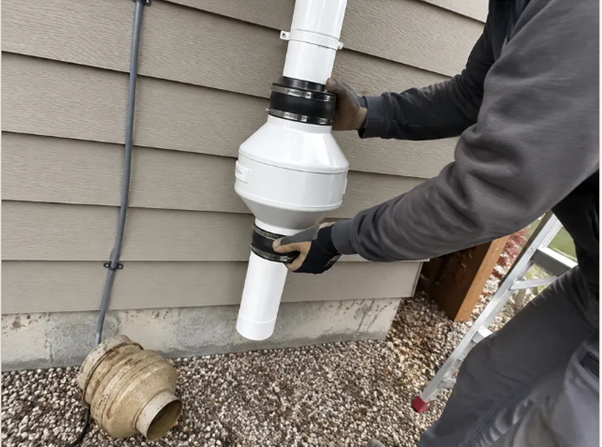
A replacement fan should match the requirements of your mitigation system. The motor capacity, airflow, suction, pipe configuration, noise, energy consumption, and product quality are all important.
Using an inadequate or inappropriate fan can have an impact on performance. A professional assessment can tell you if you need a direct replacement or a different fan to improve system operation.
Radon Fan Checkups, Repairs, and Replacement in Central New York
A Best Radon Systems specializes in radon fan inspections, repairs, replacements, and upgrades throughout Central New York. We check the fan operation, motor condition, bearings, airflow, connections, and manometer of the system. We can also evaluate systems installed by other contractors.
If your radon fan is noisy, vibrating, or no longer operating, contact A Best Radon Systems at 315-439-1103 or tom@abestradonsystems.com. We'll help you understand the condition of your system and the options available.
- Radon Quote
Get a Custom Radon Quote in Under 2 Minutes
Select your service type below to calculate an accurate, no-obligation estimate for your home.